Site Preparation
Let's Build Your Success
We understand the complex and unique demands that each project requires, and the Stone & Son Construction team works to deliver the best results. We are passionate about creating value for you. At Stone & Son Construction, we have the ability to perform many site preparation services, including land clearing, earthwork, and underground utilities. We are focused on pursuing excellence by not only managing every individual project but also performing the work. We believe in working with safety, quality, and integrity at every step of the way. For further details on our land clearing, excavation, trenching, dirt work and more – please give us a call today at 850-693-6699.
Site Preparation
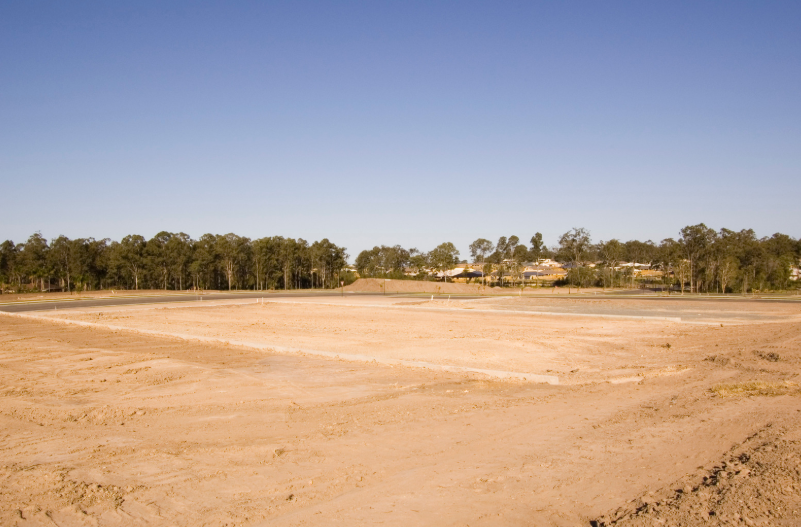
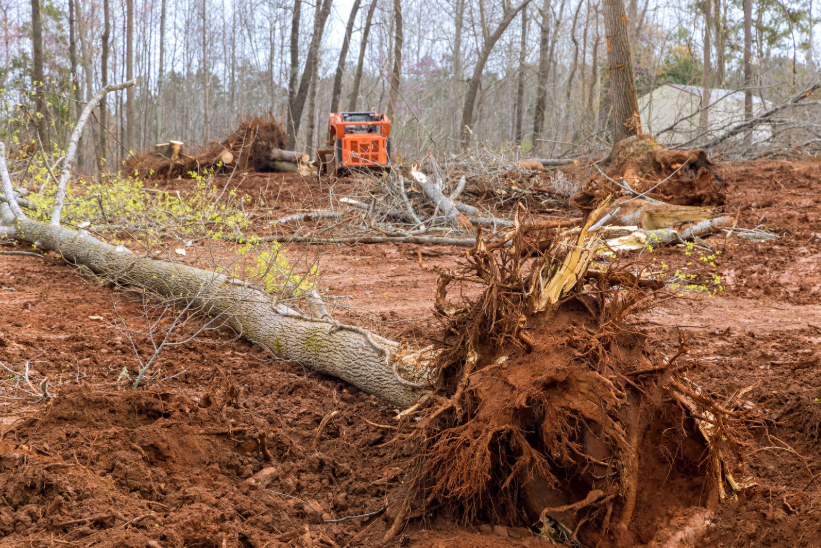
The very first steps of any construction project involve site preparation. Wherever you decide to place your building, home, retail center, warehouse or something else, that spot will need some work before it’s ready for full-scale construction. Dirt work – the less formal term for site preparation – entails all of the processes involved in getting a construction pad ready. Some of these processes are handled far from the construction site, but they are all critical to project success.
Demolition & Site Clearing
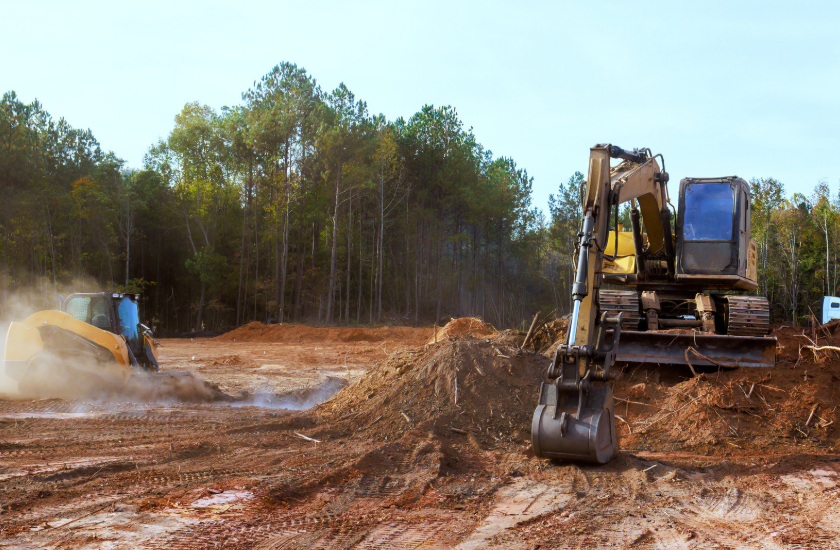
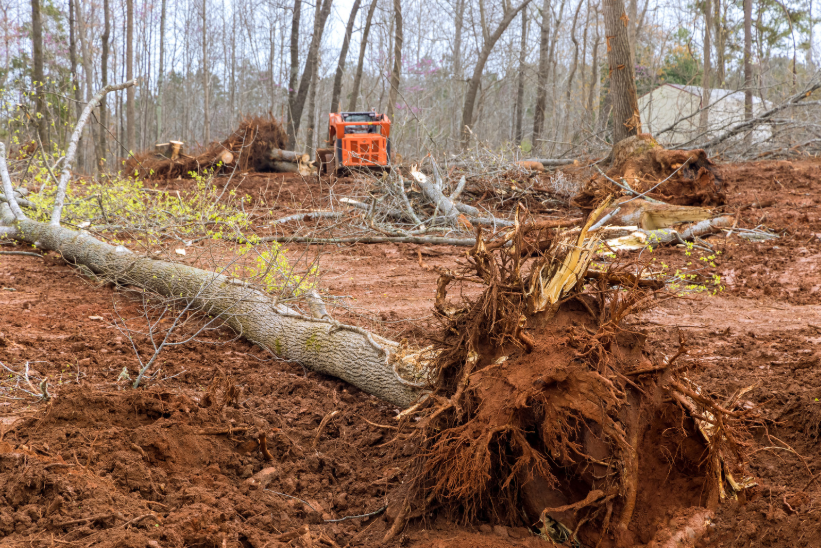
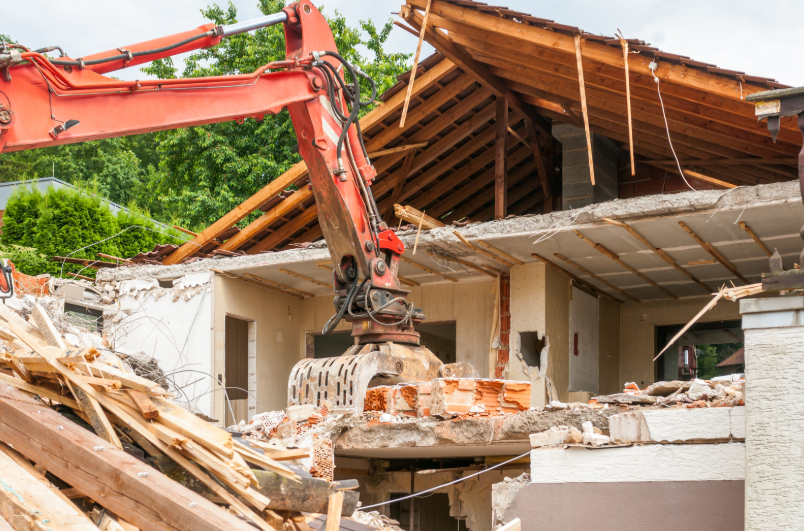
Before extensive site preparation can begin, your residential or commercial land will first need to be cleared of any existing structures, debris, or natural obstructions. This isn’t just prudent for safety and space reasons – it’s required by local and state law. Dilapidated structures can pose a safety threat if destabilized during the construction process. Proper demolition ensures these structures are properly dismantled and removed. Demolition and site clearing are simple ideas – remove anything that may interfere with construction. In practice, though, they involve complex processes and a lot of equipment and manpower to execute.
Earthwork & Excavation
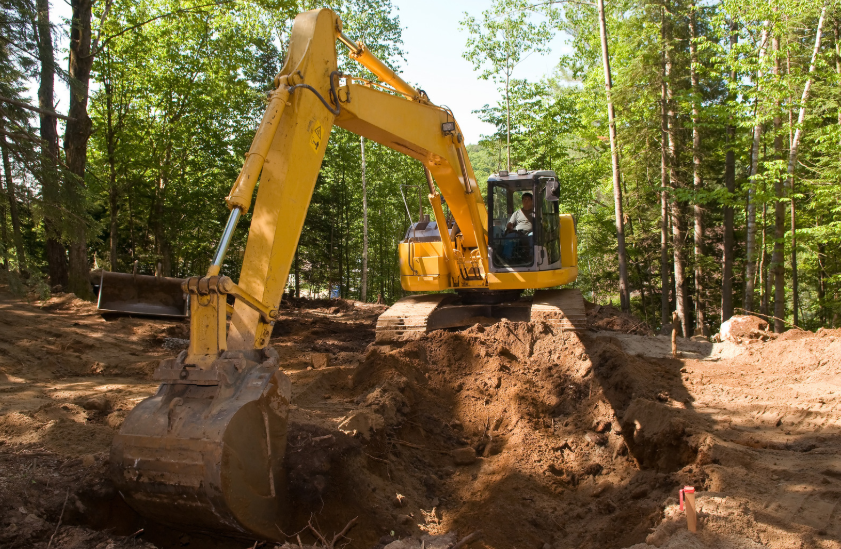
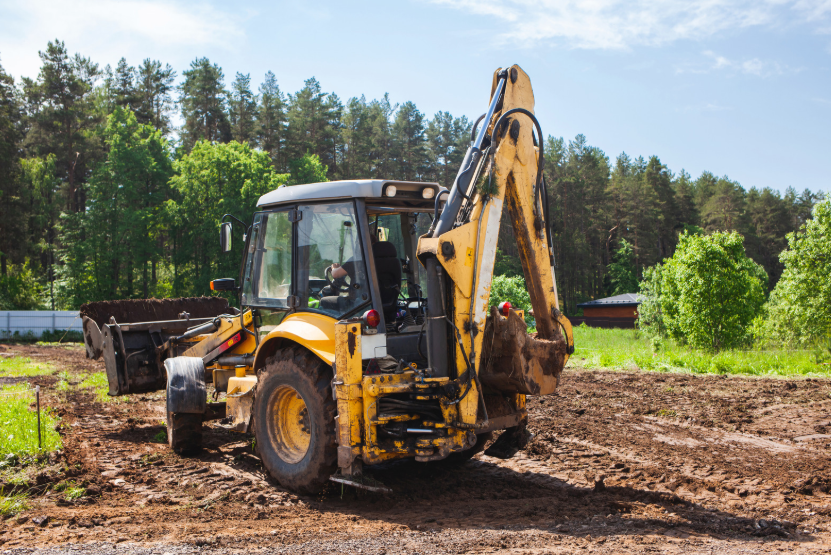
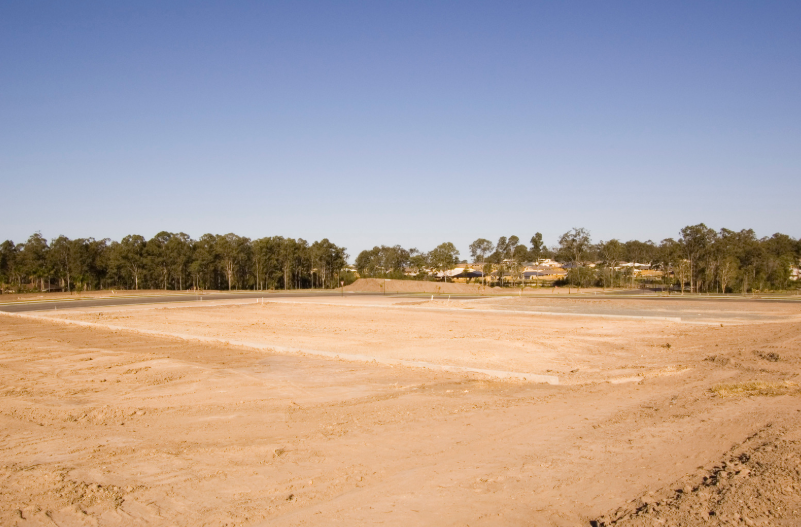
Stone & Son Construction Earthwork Services include excavation, mass grading, building pad preparation, and soil stabilization for public, commercial, residential, agricultural and manufacturing projects. Excavation is an involved, multistep process that requires expertise to manage effectively. It isn’t just picking up dirt and dropping it somewhere else. Professional excavation services aim for precision, especially when excavating for a commercial property. Commercial properties are typically larger in scope and may require more complex trenching to account for utilities.
Underground Utilities
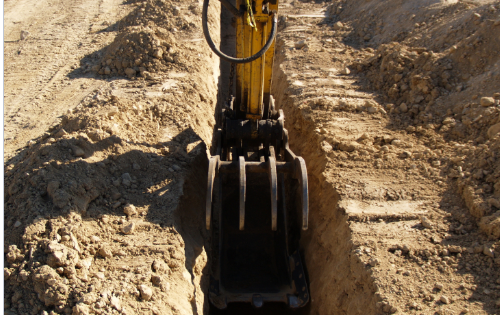
Our Underground Utility Services include the installation of storm water, domestic water, and sanitary sewer lines designed to complement any project scope. We take a great deal of pride in our role as a catalyst for transformative infrastructure development. With our unwavering dedication to reshaping the utility landscape, we stand as a beacon of reliability, innovation, and commitment to delivering unparalleled utility installation services throughout Northwest Florida.
Site & Access Planning
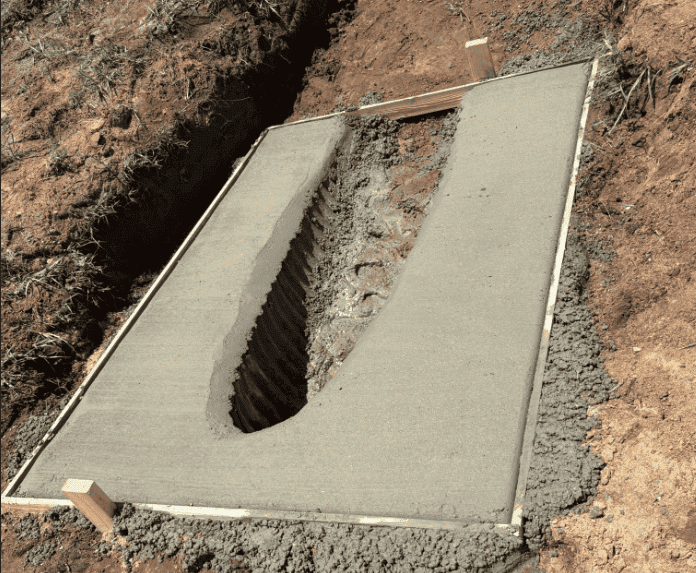
There are some excavation projects that require heavy machines to get the job done the right way. It’s up to the excavator to determine how to deploy these machines for maximum efficiency, and that means ensuring they can access the work site where needed. The machinery’s condition is also critical to project performance, as untimely breakdowns can slow or even delay work beyond acceptable timelines. The excavator is responsible for ensuring their equipment is in good working order.
Fill Dirt
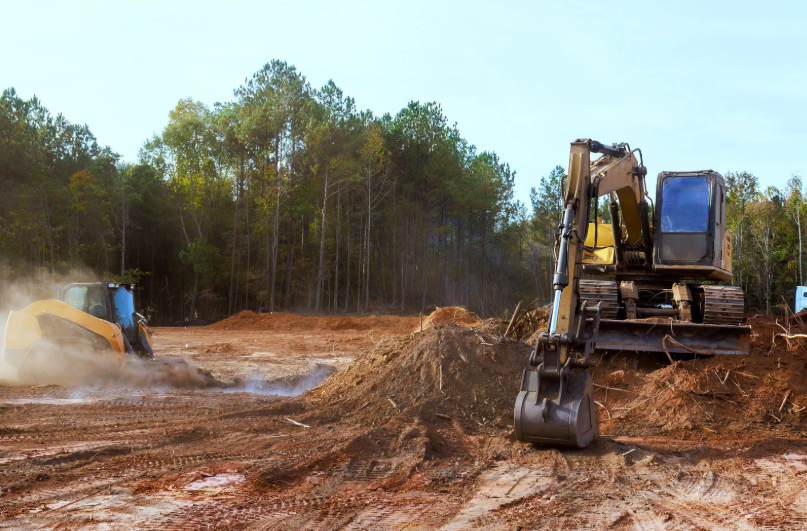
Fill dirt is an essential part of grading, as it’s used to fill in lower spots and create an even surface for construction. Fill dirt isn’t just any dirt, either, because it’s free of organic compounds and therefore less prone to shifting. A typical commercial excavation project will require a lot of fill dirt, as in enough dirt to fill dozens of dump trucks. Getting that dirt to the site is something experienced excavators are equipped to handle.
Retention & Detention Ponds
In urban areas, detention and retention ponds are essential flood-control structures. In cities, runoff can be a threat, as rainwater travels much faster over concrete than over natural soils. Controlling this flow is key to avoiding floods, and that’s where detention and retention ponds come in. These simple basins are excellent flow regulators and slow the rate of water runoff. Detention and retention ponds serve the same general purpose – modulate the flow of water through residential and urban centers. This provides a buffer during periods of heavy rainfall and helps prevent flash floods from occurring. Both detention and retention ponds are sloped during construction to meet flow specifications, and it’s this grade that determines how fast the water drains. Retention ponds are wet ponds, which means they retain a minimal level of water even during extended dry periods. In retention ponds, the riser is elevated from the pond’s base, so water drains only when it reaches a certain level. Water is usually fed into retention ponds via pipes connected to nearby storm drains. In this way, retention ponds are “hubs” where runoff is diverted from other areas. Detention ponds are dry ponds, which means they circulate water through the pond faster and empty out between rain events. Detention ponds do this with a riser that’s built flush with the pond’s base, so water can fully drain.
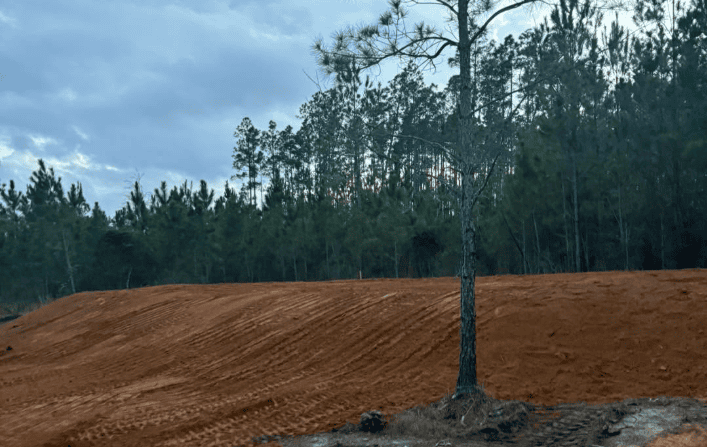
Land Grading
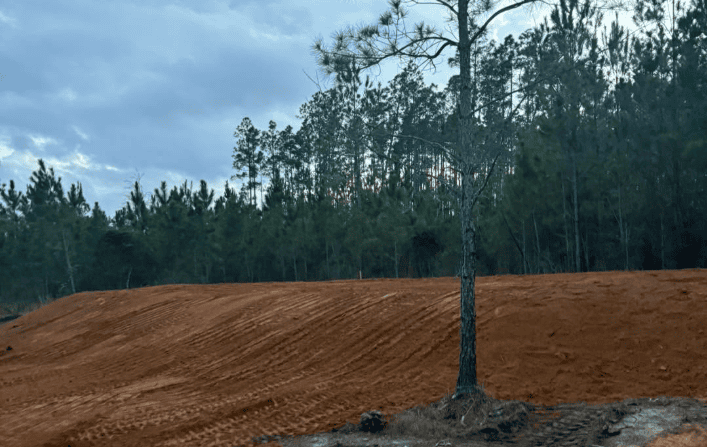
During the grading process, the dirt is shaped to fit the plan’s specifications. Grading is essential for specified foundation placement and is also used to set up landscaping areas. Because proper grading is essential for foundation stability, this stage and part of the process must be inspected by an expert to verify best practices are followed. During the excavation process, it’s important for the excavator to take note of any potential issues with erosion or drainage. The excavator may need to add drainage or other measures to control the effects of water intrusion.
Trenching
Trenching is where the real excavation work begins. Specifically, trenching refers to excavating channels that are deeper than their width. Trenches are necessary for utility and plumbing lines, as well as for foundation work. It also requires precision to pull off, as the idea is to minimize disruption to nearby soils.
Soil Testing
One of the biggest hazards and concerns in excavation is soil stability. Some soil compositions are inherently unstable, like soils that contain high amounts of organic material. Before the project is past the point of no return, the excavator will take a soil sample and have it tested. This will verify whether the soil has the integrity to withstand heavy compaction. Additional compaction testing is also required for most commercial projects and will also verify the soil’s ability for supporting weight.
Culverts
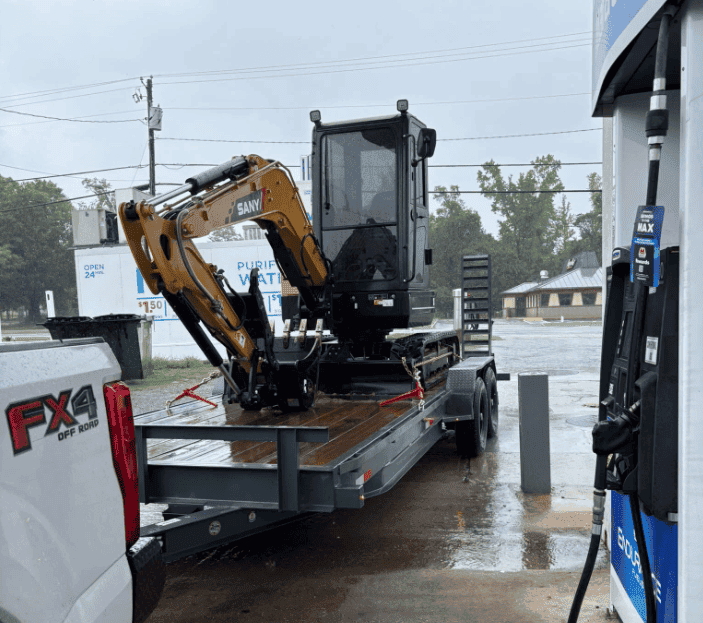
Drainage and stormwater are very important issues when designing projects in Florida. With the rain events that we are accustomed to, properly designing for the amount of stormwater is critical. Whether it is for retention ponds, alleviating hydrostatic conditions, dewatering dredged materials, or for treating the stormwater and reducing the turbidity, we have a variety of products that can help.